The Sweet Cursive Magic of the Sublimate Typeface
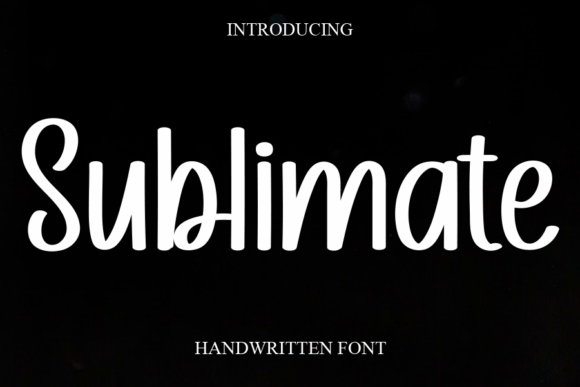
There is a specific moment in the design process where a project shifts from "functional" to "feeling." You have the layout, you have the imagery, and you have the color palette, but until you find the typography that captures the soul of the brand, the work isn't finished. If you are searching for a typeface that bridges the gap between casual charm and high-end sophistication, the Sublimate font offers a compelling solution. It is a sweet, cursive handwritten font that manages to be both gentle and impactful, making it a versatile addition to any designer’s toolkit. Whether you are a small business owner building a brand identity from scratch or a content creator looking to refresh your social media aesthetic, understanding how to wield this kind of script font can fundamentally change how your audience perceives your work.
Capturing a Joyful and Romantic Aesthetic
At its core, Sublimate is defined by its fluidity. Unlike rigid sans-serif typefaces or traditional serif fonts that command authority through structure, this handwritten font communicates through movement. The curves are soft, and the connections between letters mimic the natural flow of ink on paper. This visual characteristic is not just about looking "pretty"; it is about psychological association. When we see cursive, handwritten scripts, we subconsciously associate them with human touch, warmth, and authenticity.
This makes Sublimate an ideal choice for industries where emotional connection is the currency of success. Consider the wedding industry, for example. Invitations, save-the-dates, and ceremony programs rely heavily on typography to set the tone. A script font like Sublimate adds that necessary romantic flair without being illegible. It captures the elegance of calligraphy but remains accessible enough for digital screens. Similarly, for greeting card designers, the font serves as a voice. It conveys joy and sincerity, turning a simple piece of cardstock into a heartfelt message. The visual personality of this typeface is inherently positive, making it perfect for celebrations, announcements, and expressions of gratitude.
Bridging the Gap Between Casual and Luxury Branding
One of the most difficult balancing acts in modern design is creating a brand that feels luxurious yet approachable. Many businesses, particularly in the lifestyle, beauty, and fashion sectors, want to avoid looking stuffy or overly corporate, but they still need to justify premium pricing. This is where the versatility of a creative font like Sublimate shines. It possesses a casual elegance that fits perfectly into the "high-end boutique" aesthetic.
Imagine a logo design for a boutique skincare line. Using a standard block font might make the brand feel too clinical, while a messy grunge font might make it feel unprofessional. Sublimate hits the sweet spot. It suggests that the products are crafted with care and attention to detail. For fashion lookbooks and marketing promotions, this typeface can be used for headlines to draw the eye, creating a focal point that feels stylish and current. It helps in building a brand identity that feels cohesive; the typography tells the customer that this brand values aesthetics and quality, bridging the gap between a friendly conversation and a professional presentation.
Practical Applications Across Design Assets
While the aesthetic appeal is obvious, the true value of a font lies in its utility across different mediums. Sublimate functions well as a display font, meaning it is designed to be used at larger sizes for headlines, titles, and headers. However, its applications extend far beyond just the top of the page.
Here are several practical ways to integrate this typeface into your design assets:
- Packaging Design: In a crowded marketplace, packaging is your silent salesperson. Using Sublimate on product labels or box art can help a product stand out on the shelf. It works exceptionally well for artisanal goods, bakery items, or handmade crafts, emphasizing the "homemade" or "small-batch" nature of the product.
- Social Media Graphics: On platforms like Instagram and Pinterest, visual hierarchy is key. Sublimate is excellent for overlaying text on images. Because it is a script font, it pairs beautifully with clean, sans-serif body text. You can use the font for a catchy hook in a Reel cover or a quote graphic, ensuring the text is legible while maintaining a strong visual personality.
- Website Design: In web design, readability is paramount, which is why Sublimate shouldn't be used for long paragraphs of body copy. Instead, use it for H1 and H2 headers. This creates a dynamic rhythm on the page, guiding the visitor's eye down the content. It adds a splash of personality to an otherwise standard layout.
- Digital Products: If you are selling digital planners, e-books, or online courses, the cover design matters. A premium font choice elevates the perceived value of the digital product, making it feel like a worthwhile investment for the customer.
Strategic Typography: Pairing and Readability
Adopting a new font requires more than just installation; it requires strategy. To get the most out of Sublimate, you must consider font pairing. Because Sublimate is a decorative, handwritten font, it can be overwhelming if overused. It is not designed for readability in small sizes or long blocks of text.
The most effective way to use it is to pair it with a neutral companion. A classic sans serif font (like Montserrat, Lato, or Open Sans) makes an excellent partner. The simplicity of the sans serif allows the Sublimate headers to pop without competing for attention. Conversely, if you are going for a vintage or editorial look, you might pair it with a traditional serif font. The contrast between the structured serif and the flowing script creates visual interest and hierarchy.
When testing your pairings, pay attention to the "x-height" and the weight. You want the two fonts to feel balanced, not lopsided. For example, if your header in Sublimate is very delicate and thin, pairing it with a very bold, heavy sans serif might look jarring. Instead, look for a medium weight that complements the line work of the script. Always print out a test page or view it on a mobile device to ensure the readability holds up across different contexts.
Commercial Use and Licensing Considerations
For designers and entrepreneurs, the technical side of typography is just as important as the visual side. Before incorporating Sublimate into a client’s branding or your own merchandise, it is vital to understand the licensing. Most premium fonts come with specific terms regarding commercial use.
If you are creating a logo for a client, you generally need a license that permits the font to be embedded in a logo. If you are creating physical merchandise—such as t-shirts, mugs, or posters—where the text is the main selling feature, you may need an extended license depending on the foundry's terms. Always review the commercial font license included with your download. This ensures that your brand identity is legally protected and that you are respecting the work of the type designer. Ignoring these details can lead to legal headaches down the road, so treat the license agreement as a necessary step in your professional workflow.
Enhancing Audience Engagement Through Visual Tone
Ultimately, the goal of any design asset is communication. We want our audience to feel something specific when they look at our work. Sublimate helps improve audience engagement because it humanizes digital text. In an era of sterile, algorithm-driven content, a handwritten touch feels personal. It suggests that a real person is behind the brand, speaking directly to the customer.
This modern typography choice can significantly impact how long someone stays on your website or how they interact with your social media post. It draws the eye, creates a mood, and makes the content feel more relatable. Whether you are designing a poster for a local event, a header for a blog post about lifestyle tips, or the packaging for a new candle line, Sublimate offers a way to inject personality into your work. It proves that typography is not just about arranging letters; it is about creating an atmosphere. By thoughtfully integrating this sweet and cursive typeface into your projects, you ensure that your designs are not just seen, but felt.