The Housing Font: A Guide to Elegant Script Typography
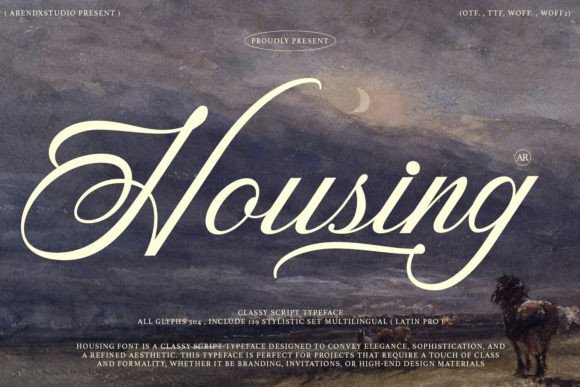
There’s a particular kind of letterform that stops a designer in their tracks—the one that feels like it was written with a fountain pen on thick, cream-colored paper, each stroke deliberate and full of character. That’s the essence of the Housing font. It’s a script typeface that doesn’t just spell out words; it performs them. With its fluid connections, balanced loops, and refined flourishes, Housing brings a sense of occasion to any text it touches. If you’ve been searching for a typeface that bridges the gap between timeless elegance and modern utility, this might be the missing piece in your design toolkit.
Understanding the Visual Soul of Housing
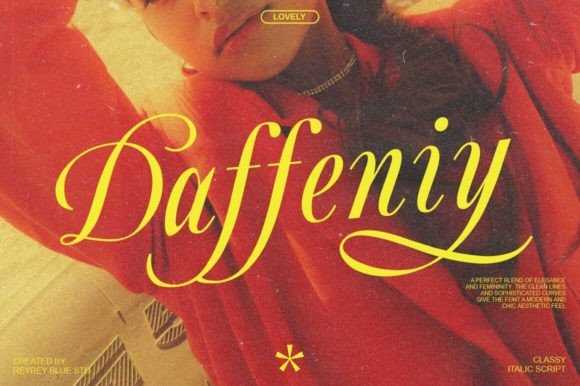
At its core, Housing is a classy script typeface designed to convey sophistication without feeling stuffy. Its letterforms exhibit a graceful flow, with subtle variations in stroke width that mimic natural handwriting. This isn’t a rigid, calligraphic script; it’s more like the confident hand of a skilled letterer who knows when to add a flourish and when to let the form breathe. The baseline is consistent, which aids readability, while the ascenders and descenders have a gentle rhythm that keeps the eye moving. What makes it visually appealing is its versatility—it feels equally at home on a luxury brand’s packaging as it does on a heartfelt wedding invitation.
For designers, the beauty of a font like Housing lies in its ability to inject personality without overwhelming a layout. It carries a distinct voice, but it’s not shouting. Think of it as the elegant whisper in a room full of noise. This makes it a powerful tool for projects where tone and mood are paramount.
Where Housing Truly Shines: Practical Applications
The real test of any premium font is how it performs in the wild. Housing isn’t just for looking pretty in a font specimen sheet; it’s built for practical, real-world use across a surprising range of mediums.
Building a Memorable Brand Identity
Your brand’s typeface is its voice. Choosing Housing for your logo design or primary brand mark can instantly position a business as refined, trustworthy, and detail-oriented. Imagine a boutique hotel, a high-end bakery, a custom jeweler, or a personal coach using this script. It immediately sets an expectation of quality and care. When used consistently across business cards, letterheads, and digital assets, it becomes a cornerstone of visual consistency and brand recognition.
Elevating Print and Digital Collateral
From packaging design to social media graphics, Housing adds a layer of polish. On product labels for artisanal goods—think gourmet chocolates, scented candles, or organic skincare—it communicates handcrafted luxury. In the digital realm, it can make Instagram quotes, sale announcements, or email headers feel more curated and intentional. For websites and blogs, it’s perfect for hero sections, pull quotes, or author names, drawing readers in with its aesthetic charm. Just remember, for body text, you’ll want to pair it with a highly readable serif font or sans serif font.
The World of Invitations and Editorial Design
This is where Housing feels most at home. Invitations for weddings, galas, or milestone celebrations demand a personal touch. Housing delivers that handwritten warmth while maintaining a level of sophistication that formal events require. In editorial design, it can be used for chapter titles, magazine mastheads, or feature story headlines, adding a dynamic contrast to clean body copy layouts.
Pairing and Practicality: Making Housing Work for You
A beautiful script font can sometimes be tricky to work with. The key is to think of Housing as a star player that needs a supporting cast. Here’s some practical advice for integrating it into your projects effectively.
Mastering Font Pairing: Because Housing is a display font with a strong personality, it needs a neutral partner. Pair it with a clean, geometric sans serif font like Montserrat or Lato for a modern, balanced look. For a more traditional, literary feel, combine it with a classic serif font like Garamond or Georgia. The contrast allows Housing to shine without causing visual clutter.
Prioritizing Readability: Never sacrifice clarity for style. Use Housing for short, impactful text—headlines, logos, pull quotes, and call-to-action buttons. Avoid setting long paragraphs in it, as the flowing script can become difficult to read in large blocks. Always test your designs at various sizes, especially for web design, to ensure legibility on both desktop and mobile screens.
Exploring Included Styles: Many premium fonts like Housing come with multiple styles or weights. Check if your license includes alternates, swashes, or a more subdued version. These variations can give you more creative flexibility, allowing you to adapt the font’s personality to different contexts within the same project.
Considering Commercial Use: If you’re using Housing for client work, merchandise, or digital products for sale, you must have the correct commercial font license. Always review the license agreement carefully. Using a font without proper licensing can lead to legal issues down the line, so it’s a crucial step in professional practice.
Beyond the Basics: Creative Font Applications
Think beyond the obvious. Housing can be a secret weapon for creative entrepreneurs and content creators. Use it to design unique digital products like printable planners, motivational art prints, or social media template kits. For merchandise—think tote bags, mugs, or apparel—a well-set phrase in Housing can become a signature item. In marketing assets, it can add a personal, human touch to email newsletters or lead magnet designs, making your communications feel less corporate and more connected.
The goal is to use typography to tell a story. Housing’s story is one of elegance, craftsmanship, and timeless appeal. By understanding its strengths and applying it thoughtfully, you can ensure your projects don’t just look good—they feel right, making a lasting impression on everyone who sees them.