Western Winter: A Vintage Serif with Modern Appeal
There’s a particular kind of magic in a design that feels both timeless and fresh. It’s the quality that makes a logo stick in your mind, a book cover leap off the shelf, or a social media post stop the endless scroll. Achieving that balance often comes down to a single, powerful choice: your typeface. If you’re searching for a font that carries the weight of history with the clarity of modern design, Western Winter might just be the answer you’ve been looking for.
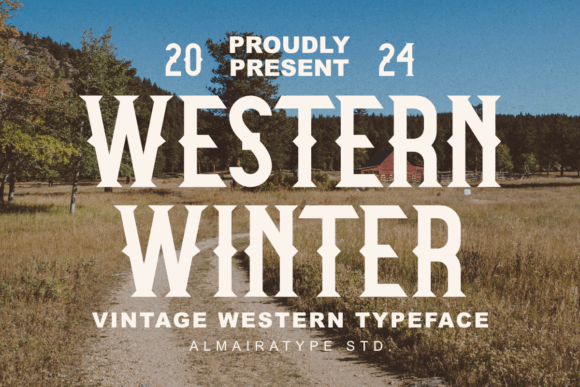
This isn't just another serif font. Western Winter is a vintage western serif typeface, meticulously crafted to evoke the rugged elegance of the American frontier while remaining perfectly suited for contemporary projects. Its character is unmistakable—strong, confident serifs give each letterform a solid foundation, while subtle details in the curves and terminals add a touch of warmth and authenticity. It feels handcrafted, not sterile, which is a crucial distinction when you want your work to convey trust, heritage, or artisanal quality.
Where Heritage Meets Versatility
The true test of a great font is its range. Western Winter isn’t a one-trick pony; it’s a versatile workhorse that can adapt to a surprising variety of creative contexts. Its personality shines brightest in applications where you need to make a strong, memorable statement.
Think about branding and logo design. A logo set in Western Winter immediately communicates stability, tradition, and a no-nonsense attitude. It’s ideal for businesses like craft breweries, boutique hotels, outdoor apparel brands, artisan coffee roasters, or any venture that wants to anchor its identity in authenticity. The font’s robust structure ensures legibility at various sizes, from a tiny favicon to a massive storefront sign.
For editorial and packaging design, this typeface adds instant character. Imagine a cookbook with chapter titles in Western Winter—the font sets a tone of hearty, homemade goodness before the reader even flips a page. On product packaging, whether for gourmet sauces, leather goods, or specialty coffee, it provides a premium, established feel that helps products stand out on a crowded shelf. It tells a story of craftsmanship before a single word of copy is read.
Practical Applications for the Modern Creator
Beyond the obvious, Western Winter excels in digital and print spaces that demand attention. Social media graphics are a prime example. In a sea of clean, minimalist sans-serifs, a bold, vintage serif like this cuts through the noise. Use it for Instagram quote graphics, YouTube thumbnails, or Facebook event announcements to add instant visual interest and personality. It pairs exceptionally well with clean sans-serifs or flowing script fonts, creating dynamic hierarchy and visual tension that engages the eye.
For web design, consider using it for hero sections, pull quotes, or section headings. It injects personality into a layout without sacrificing readability when used strategically. Bloggers and content creators can use it for featured image text or newsletter headers to establish a consistent, recognizable brand voice across platforms. In print, it’s a natural for posters, event invitations, and merchandise like t-shirts or tote bags, where its vintage flair becomes a central part of the design’s appeal.
Making It Work: Pairing and Readability
Introducing a strong display font like Western Winter into your toolkit requires a thoughtful approach. The goal is to let its character enhance your message, not overwhelm it. Here’s how to use it effectively:
- Choose the Right Context: This font is a star player, not a background extra. Use it for headlines, titles, logos, and short bursts of impactful text. For body copy or long paragraphs, pair it with a highly legible sans-serif or a neutral serif to maintain readability.
- Master the Font Pairing: The contrast is what creates harmony. Try pairing Western Winter with a clean, geometric sans-serif like Montserrat or Lato for a modern twist. For a more classic feel, a simple serif like Lora or Merriweather can create a sophisticated, layered typographic system. The key is to let the vintage serif command attention in the headlines while the secondary font handles the heavy lifting of body text.
- Test for Legibility: Always view your design at the intended size and medium. What looks stunning as a 72-point headline on your screen might lose detail when printed small. Check letter spacing (tracking) and line height (leading) to ensure clarity, especially in digital applications.
- Explore the Styles: Many premium fonts like Western Winter come with multiple weights or styles. Check if it includes bold, italic, or condensed versions. These variations give you more flexibility to create emphasis and hierarchy within your designs while maintaining a consistent typeface family.
- Understand Licensing: For any commercial project—from a client’s logo to merchandise you sell—ensure you have the correct commercial license. This is a non-negotiable step to protect your work and your client’s investment. Reputable font foundries make licensing clear and straightforward.
Building a Cohesive Visual Identity
Ultimately, typography is a cornerstone of brand identity. Consistent use of a distinctive font like Western Winter across all touchpoints—your website, business cards, social media, packaging, and marketing materials—builds recognition and professionalism. It becomes part of your brand’s visual language, communicating your values at a glance.
When your audience sees that familiar, sturdy serif, they associate it with the quality and personality of your brand. This consistency fosters trust and makes your communications instantly recognizable, which is invaluable in a competitive landscape. It’s not just about looking good; it’s about being remembered for the right reasons.
Choosing a typeface is a creative decision with practical consequences. Western Winter offers a compelling blend of vintage charm and functional design, making it a valuable asset for designers, entrepreneurs, and creators who want to leave a lasting impression. It proves that sometimes, the best way to move forward is to bring a piece of the past along with you.