Almost: A Typeface for Modern, Elegant Design
There’s a certain quiet confidence in a design that doesn’t need to shout. It draws you in with clarity, purpose, and a subtle sophistication that feels both contemporary and timeless. This is the space where the right typeface does its most important work—not by overwhelming a composition, but by providing a foundation of clean, modern elegance. If you’ve been searching for a font that embodies this principle, one that balances professional polish with approachable style, you may have just found your answer.
The Visual Personality of a Modern Sans-Serif
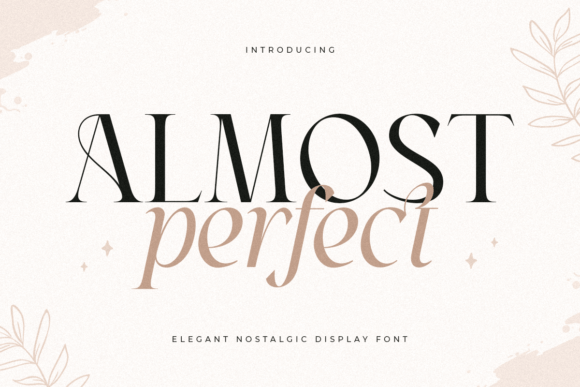
Almost is a modern sans-serif font designed with intention. Its core visual appeal lies in the marriage of clean, geometric lines with subtle, humanist curves. This isn't a stark, ultra-minimalist typeface that feels cold or clinical. Instead, the gentle softness in its terminals and the balanced proportions give it a friendly yet professional demeanor. It reads as confident and contemporary, making it a versatile asset for a wide range of creative projects. Think of it as the well-tailored blazer of the font world—structured, sharp, but with a comfortable fit that allows for movement and personality.
This design philosophy makes it exceptionally useful. The clarity of its letterforms ensures excellent readability at both large display sizes and smaller body text, a crucial feature for any premium font intended for commercial use. Whether it’s setting the headline for a luxury brand’s website or providing the body copy for an editorial layout, the typeface maintains its poise and legibility.
Practical Applications Across Creative Fields
Where does a typeface like Almost truly shine? Its strength is in its adaptability. Consider these real-world scenarios where its characteristics can elevate the final product:
- Brand Identity & Logo Design: For startups and established businesses alike, Almost provides a solid foundation for a brand identity. Its clean aesthetic conveys reliability and modernity, perfect for tech companies, boutique consultancies, wellness brands, or any business aiming for a crisp, professional image. It pairs wonderfully with a serif or script font for contrast in a logo system.
- Editorial & Web Design: In magazine layouts, blog headers, and website navigation, readability is paramount. The open counters and consistent weight of Almost ensure text is easy on the eyes, whether readers are scanning a social media graphic or absorbing a long-form article. It’s a workhorse font for web typography that doesn’t sacrifice style for function.
- Packaging & Merchandise: On a product label or a tote bag, a font needs to be distinctive yet clear. Almost’s balanced character makes it ideal for packaging design where product information and brand name must coexist harmoniously. It avoids the fleeting trends of overly decorative display fonts, giving your product shelf appeal that lasts.
- Marketing & Digital Assets: From Instagram stories and Facebook ads to email newsletters and PDF guides, maintaining visual consistency is key to brand recognition. Using a single, versatile typeface family like Almost across all your marketing assets creates a cohesive look that builds trust and professionalism with your audience.
Choosing the Right Style for Your Project
Most professional font families, including Almost, come with multiple styles—such as Light, Regular, Medium, and Bold. Selecting the appropriate weight is a practical design decision. The Light and Regular weights are excellent for body copy and paragraphs, offering a clean and airy feel. Medium is perfect for subheadings or to add emphasis without the starkness of bold. The Bold weight commands attention, making it ideal for headlines, pull quotes, and key call-to-action text.
A pro tip is to always test your chosen font styles in context. Mock up a sample social media post, a website header, or a product label with your actual content. This allows you to check not just the look, but the actual readability and spacing in the environment where it will be seen. How does the bold weight interact with a background image? Is the regular weight comfortable to read in a long paragraph on a mobile screen? This hands-on testing is invaluable.
Building a Cohesive Design with Font Pairing
While Almost is a strong standalone performer, its true potential often emerges in pairing with other typefaces. A classic and effective strategy is to pair a sans-serif like Almost with a complementary serif font. For example, using Almost for headlines and a serif like Georgia or Playfair Display for body text can create a beautiful hierarchy that is both dynamic and easy to navigate. This contrast guides the reader’s eye and adds visual interest to layouts like blog posts or annual reports.
Another approach is to pair it with a subtle script or handwritten font for specific accents—like a tagline or a special note—but use this sparingly to maintain the primary design’s clean aesthetic. The key is to let Almost handle the heavy lifting of clarity and professionalism, while its partner font adds a specific flavor or emphasis.
Considering the Practicalities: Licensing and Files
When investing in a commercial font for your business or client work, understanding the license is non-negotiable. Ensure the license covers your intended use, whether it’s for desktop applications (like creating logos and print materials), web embedding (using @font-face on your site), or digital products (like templates for sale). A reputable font will come with clear licensing terms.
Also, take a moment to review what’s included in your download. A comprehensive font package should provide various file formats (like .OTF and .TTF for desktop, .WOFF and .WOFF2 for web) and a character map showing all the available glyphs, including punctuation, numbers, and multilingual support. This ensures you have everything you need to implement the typeface seamlessly across all your projects.
Ultimately, choosing a typeface is about finding a visual voice that aligns with your message. Almost offers a voice that is clear, contemporary, and capable of elevating your work from good to thoughtfully designed. It provides the consistency and professionalism needed to build a recognizable brand, the readability essential for engaging communication, and the subtle elegance that makes a design feel complete. In the crowded landscape of creative assets, it’s a tool built not for fleeting trends, but for creating lasting, effective visual communication.