Elegant Font: Where Sophistication Meets Modern Design
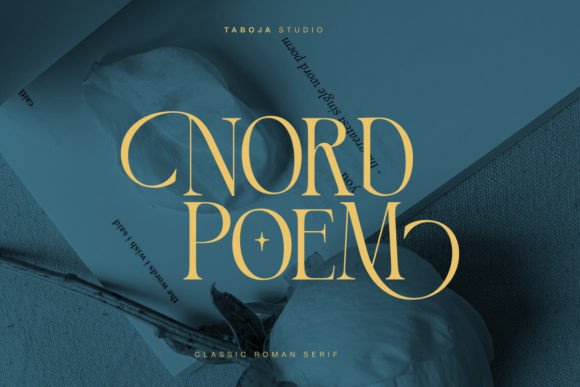
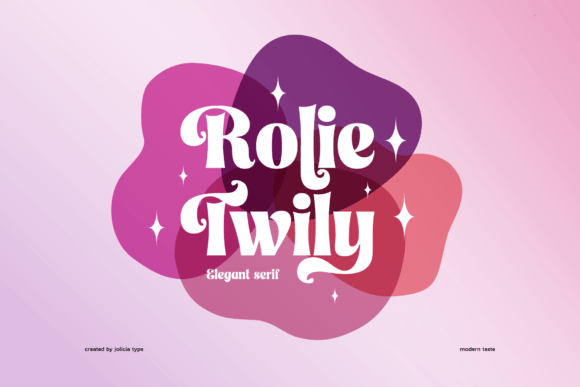
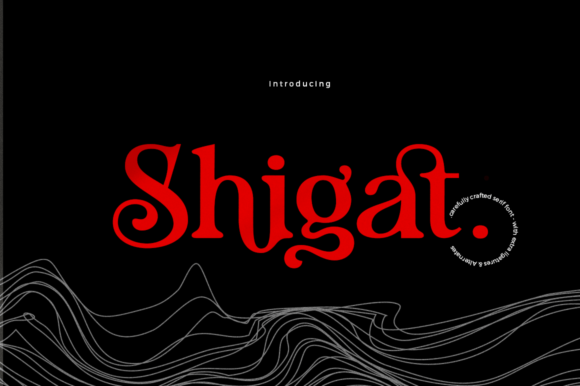
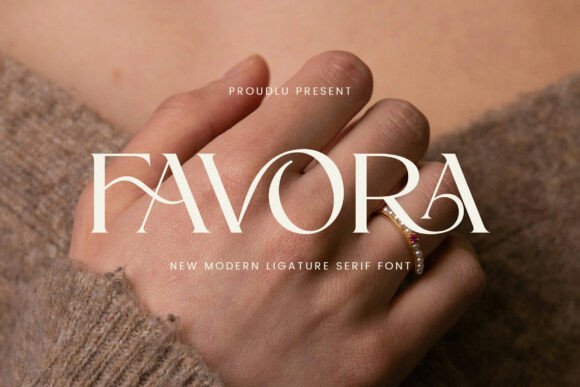
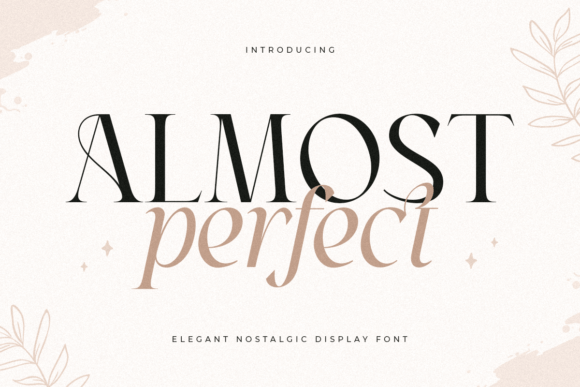
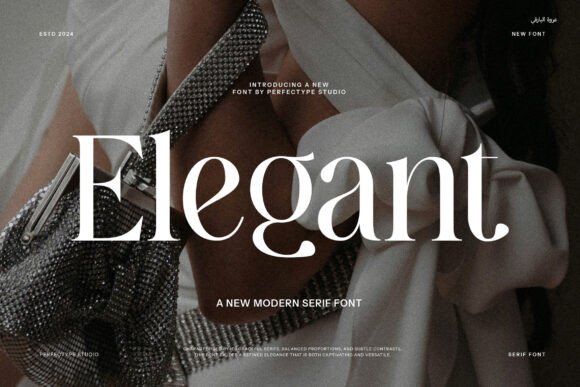
There’s a moment in every creative project where the right typeface transforms good work into something truly memorable. It’s that feeling when you see a font and immediately understand the mood it communicates—whether that’s luxury, professionalism, warmth, or innovation. The Elegant font captures this essence perfectly, offering smooth, stylish letters with thin lines and graceful curves that deliver a distinctly classy and sophisticated look without feeling stuffy or outdated.
Understanding the Visual Language of This Typeface
What sets this particular font apart is its balance between refinement and versatility. The letterforms feature carefully crafted proportions, with elegant serifs or clean sans-serif strokes depending on the specific style you choose. The thin lines create a sense of lightness, while the graceful curves add warmth and approachability. This combination makes it work beautifully across both digital and print applications, maintaining its character whether it’s displayed on a high-resolution screen or printed on premium paper stock.
The visual appeal comes from its ability to feel simultaneously classic and contemporary. It doesn’t rely on excessive ornamentation or trendy design tricks. Instead, it uses thoughtful proportions, consistent stroke widths, and carefully considered spacing to create that unmistakable sense of sophistication. When you set a headline or body text in this typeface, the result feels polished and intentional—exactly the impression most brands and projects want to make.
Practical Applications Across Creative Projects
The real strength of a premium font like this lies in how many different contexts it can serve. For branding and logo design, it provides that high-end aesthetic that helps businesses position themselves as premium offerings. Think about boutique hotels, specialty food brands, fashion labels, or professional service firms—any business that wants to communicate quality and attention to detail benefits from this kind of typographic choice.
In packaging design, the font’s elegant characteristics help products stand out on shelves while conveying the quality inside. Whether it’s a cosmetics line, artisanal chocolate, or specialty beverage, the typeface adds that layer of perceived value that influences purchasing decisions. The clean lines also ensure product information remains legible at various sizes, which is crucial for regulatory text and ingredient lists.
For social media graphics and digital marketing, this font brings sophistication to Instagram posts, Pinterest pins, Facebook ads, and email headers. It photographs well and maintains its character across different screen sizes, which is essential when your content needs to look sharp on everything from a smartphone to a desktop monitor. Content creators find it particularly useful for quote graphics, promotional announcements, and branded story templates.
Website design and blog layouts benefit enormously from this typeface. Used for headings and pull quotes, it creates visual hierarchy and draws readers into your content. The font’s readability at various sizes makes it suitable for both hero sections and smaller supporting text, though pairing it with a complementary body font often produces the best results for longer reading experiences.
Print applications remain equally strong. Invitations, editorial layouts, posters, and marketing collateral all gain that professional polish when set in this typeface. Wedding stationers, magazine designers, and event planners frequently reach for elegant fonts because they communicate celebration, importance, and care. The letterforms reproduce beautifully in both digital printing and traditional offset processes, maintaining their refined appearance regardless of production method.
Even merchandise and digital products benefit from this typographic choice. Tote bags, mugs, notebooks, and apparel look more considered with well-chosen typography, while digital downloads like planners, worksheets, and templates feel more valuable when presented in sophisticated typefaces.
How the Right Typography Strengthens Your Visual Identity
Choosing a font isn’t just about aesthetics—it’s a strategic decision that affects how people perceive and interact with your brand. When you consistently use a typeface like this across all touchpoints, you build visual consistency that makes your brand instantly recognizable. Customers start associating the font’s characteristics with your business, creating subconscious connections that reinforce brand recognition over time.
Readability might seem secondary to style, but it’s actually where good typography proves its worth. A beautiful font that people can’t easily read fails at its primary job. This typeface manages to maintain legibility even with its refined thin lines, thanks to thoughtful letter spacing and open counter forms. However, context matters—a font that reads perfectly in a logo might need adjustments when used for body text on a website.
The professional presentation that comes from using quality typography shouldn’t be underestimated. Whether you’re pitching to clients, launching a product, or publishing content, the fonts you choose signal your attention to detail and commitment to quality. It’s a subtle but powerful way to build trust before someone even reads your words.
Audience engagement often improves when typography aligns with content expectations. If your audience expects sophistication—think luxury goods, professional services, or high-end creative work—using a font that matches those expectations creates immediate resonance. The typography becomes part of the experience rather than a distraction from it.
Making Smart Typography Decisions for Your Projects
Before committing to any font, consider your project’s specific goals and audience. A wedding invitation calls for different typographic treatment than a tech startup’s website, even if both benefit from elegant styling. Think about the emotions you want to evoke and the practical requirements of your medium. Will the text be read quickly on a mobile device, or studied carefully in a printed brochure? These considerations should guide your choices.
Font pairing is where many designers find both challenge and opportunity. This typeface works beautifully alongside complementary fonts—perhaps a clean sans-serif for body text, or a subtle script for accent elements. The key is creating contrast without conflict. Test different combinations in your actual application rather than just in a font preview tool. How does the pairing look at the sizes you’ll actually use? Does it maintain readability when set as running text?
Take time to explore the included font styles within the family. Most quality typefaces offer multiple weights, italic variations, and sometimes alternate characters or ligatures. These variations give you flexibility within a consistent visual system, allowing you to create hierarchy and emphasis while maintaining typographic cohesion throughout your project.
Don’t overlook commercial licensing when selecting fonts for business use. Understanding the licensing terms protects you legally and ensures you can use the font across all your intended applications—whether that’s a single logo or a comprehensive brand system spanning print, digital, and merchandise. Many premium fonts offer different license tiers, so choose the one that matches your actual usage needs.
Finally, trust your instincts but verify with real-world testing. Set sample text at the sizes and in the contexts where it will actually appear. Print a test page, view it on different screens, or mock up a realistic layout. Typography that looks perfect in a specimen sheet sometimes reveals unexpected issues in application. The goal is finding a typeface that not only looks beautiful in isolation but serves your specific communication needs effectively and consistently across every place your audience encounters it.