Discover Glorea: A Modern Calligraphy Font for Elegant Branding
Finding a typeface that feels both personal and polished can transform a project from ordinary to memorable. Whether you're designing a wedding invitation, crafting a brand identity, or creating social media content that stands out, the right font sets the tone before a single word is read. Glorea is a lovely modern calligraphy font designed to bring that exact blend of warmth and sophistication to your creative work.
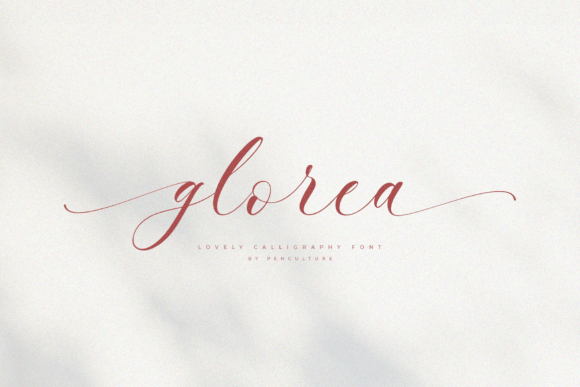
What makes Glorea visually appealing is its balance. The strokes are fluid and graceful, mimicking the natural flow of hand-lettered calligraphy without sacrificing consistency. Each character carries a sense of movement, yet the overall design remains clean enough for professional applications. It's the kind of font that feels handmade but looks intentional—ideal for projects where you want to convey authenticity without appearing unrefined.
A Font Built for Real-World Design Projects
Glorea includes a full character set: uppercase and lowercase letters, numerals, punctuation, and special characters. Beyond the basics, it offers ligatures and swashes—those elegant connecting strokes and decorative flourishes that give calligraphy fonts their distinctive charm. These features aren't just decorative; they allow you to customize the look of headlines, logos, and display text so each composition feels unique.
Think about the last time a piece of typography caught your eye on a product label or a website banner. Chances are, it used thoughtful ligatures or stylistic alternates to create visual interest. Glorea gives you those tools without requiring advanced design skills. You can toggle stylistic features in most design software, adjusting the font's personality to match the mood of your project.
Practical Applications Across Industries
The versatility of a modern calligraphy font like Glorea extends well beyond wedding stationery. Here's where it fits naturally into everyday design work:
- Brand Identity and Logo Design: For businesses in beauty, lifestyle, fashion, or food, a script font adds a human touch to logos and wordmarks. Glorea works beautifully as a primary logo typeface or as a secondary accent font paired with a clean sans serif.
- Packaging Design: Artisan products, cosmetics, gourmet foods, and handmade goods benefit from typography that communicates care and quality. Glorea's elegant curves and swashes make product labels feel premium without looking overdone.
- Social Media Graphics: Instagram quotes, Pinterest pins, and promotional graphics gain personality with a handwritten-style font. Glorea's readability at various sizes makes it practical for both large headlines and shorter captions.
- Website and Blog Design: Used sparingly for headings, hero text, or featured quotes, a script typeface like Glorea adds visual contrast against body text set in a serif or sans serif font. This contrast guides the reader's eye and creates a layered, professional layout.
- Print Materials: Business cards, brochures, menus, and flyers all benefit from a refined display font. Glorea's clean letterforms reproduce well in print, maintaining clarity even at smaller sizes when used for accents or pull quotes.
- Invitations and Event Materials: This is where calligraphy fonts shine naturally. Save-the-dates, RSVP cards, event programs, and table signage all feel more personal with a font that echoes traditional hand-lettering.
- Merchandise and Digital Products: From tote bags and mugs to printable wall art and planner inserts, Glorea adds a boutique feel to products that need to look polished and intentional.
- Editorial Layouts and Marketing Assets: Magazine headers, email newsletter banners, and advertising materials benefit from a display font that commands attention without overwhelming supporting content.
Matching Typography to Your Project Goals
Choosing a font isn't just about what looks pretty on screen. It's about aligning typography with the message you're trying to communicate. A law firm's website needs different visual language than a bakery's Instagram feed. Before selecting a font like Glorea, consider these practical questions:
What emotion should the design evoke? Calligraphy fonts naturally convey elegance, romance, creativity, and warmth. If your brand or project leans toward modern minimalism or corporate professionalism, a script font may work better as an accent than a primary typeface. Glorea's modern styling keeps it from feeling overly traditional, but it still carries that handcrafted quality.
Who is your audience? A font that resonates with brides-to-be might not connect with tech startup founders. Think about the expectations and preferences of the people you're trying to reach. Glorea appeals to audiences who appreciate artisanal quality, feminine aesthetics, or luxury positioning.
Where will the font appear? Readability changes depending on context. A script font that looks stunning on a large poster might become difficult to read in a small caption or body text. Use Glorea primarily for display purposes—headlines, logos, short phrases—and pair it with a highly legible body font for longer passages.
Font Pairing Strategies That Work
One of the most common design mistakes is using a single decorative font for everything. Effective typography relies on contrast and hierarchy. Here are pairing approaches that work well with a modern calligraphy typeface:
- Glorea + Clean Sans Serif: Pairing script fonts with geometric or humanist sans serifs creates a contemporary, balanced look. Think Glorea for headlines and a font like Montserrat, Lato, or Open Sans for body text. This combination works for websites, social media, and marketing materials.
- Glorea + Classic Serif: For a more editorial or luxurious feel, combine Glorea with a traditional serif like Playfair Display, Georgia, or Cormorant. This pairing suits wedding invitations, magazine layouts, and high-end branding.
- Glorea + Minimal Sans Serif + Accent: In designs with multiple text layers, use Glorea for the hero element, a sans serif for supporting information, and perhaps a monospace or slab serif for small details like dates or captions. This three-font system creates clear visual hierarchy.
Always test your pairings in context. A combination that works on a business card might feel cluttered on a website. View your typography at actual size, on the intended medium, before finalizing decisions.
Readability and Licensing Considerations
Readability should never be sacrificed for style. Even the most beautiful font fails if your audience can't easily read it. When working with Glorea, keep these guidelines in mind:
- Use it for short, impactful text rather than paragraphs.
- Ensure sufficient contrast between text and background colors.
- Test at multiple sizes to confirm legibility on different screens and print formats.
- Pay attention to letter spacing—some script fonts benefit from slight adjustments in tracking.
Before using any premium font commercially, verify the licensing terms. Most font licenses distinguish between personal and commercial use. If you're designing for a client, selling products featuring the font, or using it in paid advertising, you'll need a commercial license. Review the specific terms included with Glorea to ensure your intended use is covered. This small step prevents legal headaches down the road and supports the designers who create these valuable assets.
Adding Glorea to Your Design Toolkit
A thoughtfully chosen typeface does more than fill space on a page. It communicates values, establishes mood, and creates visual consistency across every touchpoint where your audience encounters your brand. Glorea offers the kind of versatile elegance that works across print and digital platforms, adapting to different contexts while maintaining its distinctive character.
If you've been searching for a creative font that bridges the gap between traditional calligraphy and modern design sensibilities, Glorea deserves a closer look. Explore its ligatures, experiment with its swashes, and test it against your current projects. Sometimes the right typeface is the missing piece that brings an entire design together—and finding it feels less like a purchase and more like a discovery.