Heart Style: The Script Font That Captures Romance
There's a particular feeling you get when you see typography that just works—when the curves of each letter feel intentional, when the spacing breathes naturally, and when the overall mood hits you before you've even read a single word. That's the experience waiting inside the Heart Style Font, a script typeface that doesn't just spell out words but dresses them in satin and candlelight. If you've been searching for a font that carries genuine emotional weight without sacrificing versatility, this one deserves a closer look.
What Makes Heart Style Visually Distinctive
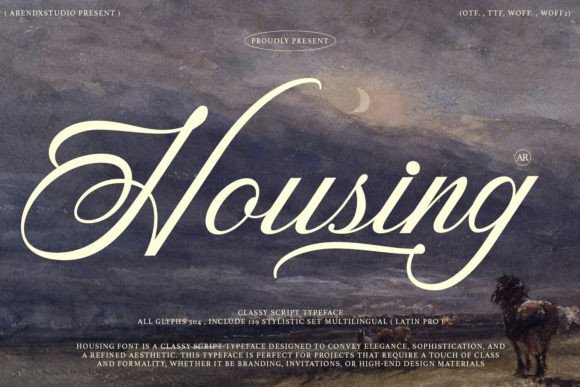
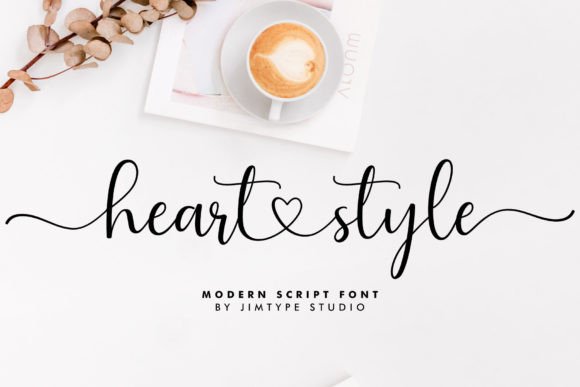
Heart Style is a connected script font with flowing, calligraphic strokes that mimic the natural rhythm of hand-lettered text. Each character links gracefully to the next, creating a sense of continuity that feels organic rather than mechanical. The letterforms feature moderate contrast between thick and thin strokes, giving the typeface a refined elegance without veering into overly ornate territory. Swashes and alternate characters add decorative flair where you want it, while the base letterforms remain clean enough for sustained readability.
What sets it apart from generic script fonts is its balance. Some decorative typefaces lean so heavily into flourishes that they become illegible at smaller sizes. Others strip away personality to stay functional. Heart Style occupies a thoughtful middle ground—the curves feel romantic and expressive, but the x-height and letter spacing are calibrated so text doesn't collapse into a visual blur when scaled down. This makes it genuinely useful across a range of formats, from large display headlines to smaller supporting text on printed materials.
The font typically ships with multiple styles, which is worth reviewing before you commit to a project. You'll often find regular, bold, and italic variations, along with stylistic alternates that swap out specific letterforms for more decorative versions. These alternates are particularly valuable for logos and monograms, where a single letter needs to carry the entire visual identity of a brand.
Where This Script Font Truly Shines
Wedding invitations are the obvious starting point, and for good reason. The flowing, connected letterforms echo the formality and emotion of handwritten vows. But limiting Heart Style to matrimonial projects would undersell its range considerably. Think about the last time you walked past a bakery window and noticed a chalkboard sign advertising weekend specials in beautiful script lettering. Or a candle label where the product name felt intimate and handcrafted. Or a boutique hotel's welcome card that made you feel like a guest rather than a customer. These are the kinds of applications where a premium font like Heart Style earns its place in your design toolkit.
Consider these practical scenarios where the typeface adapts naturally:
- Branding and logo design for businesses rooted in personal connection—florists, wedding planners, artisan food brands, wellness studios, boutique hotels, and jewelry designers all benefit from a script font that communicates warmth and craftsmanship.
- Packaging design where the typography needs to feel tactile and handmade, even when it's printed at scale. Heart Style works beautifully on labels, boxes, tissue paper inserts, and thank-you cards tucked inside orders.
- Social media graphics where you need to stop the scroll. A quote overlay on an Instagram post, a Pinterest pin promoting a recipe, or a Facebook announcement for a grand opening—script typography adds visual hierarchy and emotional resonance that sans serif alone can't deliver.
- Website headers and blog graphics where you want to inject personality without compromising the overall design system. Used sparingly as an accent typeface, Heart Style can elevate a hero image or section divider from functional to memorable.
- Print materials including business cards, brochures, menus, event programs, and posters. The font's clean-enough construction means it reproduces well in both digital and offset printing, even at smaller point sizes.
- Merchandise and product design—think tote bags, mugs, greeting cards, and apparel. Script fonts are perennially popular in the merchandise space because they translate well to physical goods and carry an inherent sense of personality.
- Digital products like e-books, planners, worksheets, and course materials. If you're selling downloadable content, typography that feels polished and intentional signals quality to your audience.
- Editorial layouts for magazines, lookbooks, and brand catalogues where pull quotes and feature headlines need a touch of sophistication.
- Marketing assets such as email headers, sale announcements, and promotional flyers where you want to evoke a specific mood quickly.
Making Typography Work Harder for Your Brand
A font choice is never just aesthetic—it's strategic. When your audience encounters consistent typography across your website, social channels, packaging, and printed collateral, they begin to associate that visual language with your brand. This is how brand recognition actually works at a granular level. It's not just your logo or your color palette; it's the cumulative effect of every typographic decision you make.
Heart Style, used as part of a deliberate type system, can anchor the emotional tone of your brand identity. Pair it with a clean sans serif for body text, and you've got a visual hierarchy that feels both professional and personal. The script font handles the expressive, attention-grabbing work—headlines, taglines, featured quotes—while the sans serif keeps longer passages readable and grounded. This kind of font pairing is a staple of modern typography for a reason: it creates contrast, establishes rhythm, and guides the reader's eye through your content in a way that feels intuitive.
Readability deserves honest attention here. No script font, regardless of quality, should be set as paragraph body text at 11 points. That's not what Heart Style is built for. Its strength lies in display applications—larger sizes where the letterforms can breathe and the connecting strokes remain legible. When you respect that boundary, the font performs beautifully. When you push it into roles it wasn't designed for, even the best script typeface becomes a liability. Understanding this distinction is what separates thoughtful design from decorative impulse.
Practical Guidance for Choosing and Pairing
Before settling on Heart Style for a project, spend ten minutes testing it in context. Drop your actual headline text into a mockup—not lorem ipsum, but the real words your audience will read. Check how specific letter combinations look in your chosen size. Script fonts can be unpredictable with certain character pairs, and what looks gorgeous in a specimen sheet might create awkward spacing in your actual content.
Test font pairings deliberately. Heart Style tends to work well alongside geometric sans serifs and humanist sans serifs—typefaces with enough structural contrast to complement the script without competing with it. Avoid pairing it with other decorative or handwritten fonts, which creates visual noise rather than hierarchy. If your brand already uses a serif typeface for body copy, check that the weight and personality don't clash with Heart Style's curves.
Licensing is another practical consideration that often gets overlooked until it's too late. If you're using Heart Style for client work, merchandise, or any commercial application, verify that the font license covers your intended use. Most premium fonts offer commercial licenses, but the terms vary—some charge per project, others per seat, and some offer unlimited usage. Read the license agreement before you build a brand identity around a typeface you might not have legal permission to use at scale.
Bringing It All Together
The fonts you choose communicate before your words do. They set expectations, trigger associations, and establish the emotional register of everything you create. Heart Style offers a specific kind of visual voice—warm, refined, and unmistakably personal. It won't be the right fit for every project, and that's exactly as it should be. No single typeface should carry the full weight of your design system. But for the moments when you need typography to feel intimate, celebratory, or genuinely handcrafted, this script font delivers with quiet confidence.
Take the time to explore its alternates, test it against your existing design assets, and see how it behaves in the formats you actually use most. The best font choices aren't made in isolation—they're made in context, with real content, real constraints, and real audiences in mind. When you find that sweet spot where the typeface serves both the message and the medium, that's when typography stops being decoration and starts becoming communication.