Rustic Cowboy: Capturing the Frontier Spirit in Your Designs
There’s a certain feeling that comes with the American West—a sense of grit, authenticity, and untamed character. If you've ever tried to bottle that feeling into a design, you know it's not easy to find a typeface that truly embodies it without feeling like a caricature. This is where the right typography becomes your most valuable asset. A font like Rustic Cowboy doesn't just spell out words; it tells a story of dusty trails, weathered wood, and unwavering strength. It’s a design tool that immediately sets a tone of heritage and rugged professionalism.
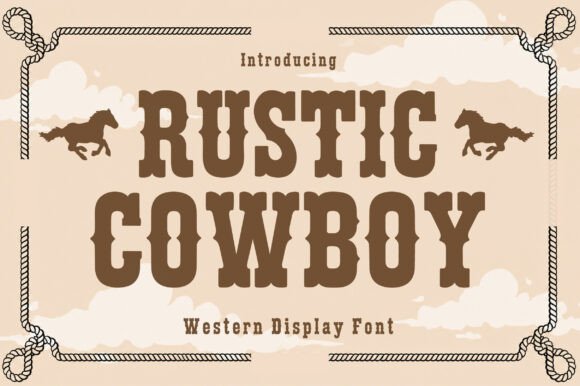
So, what exactly is Rustic Cowboy? At its core, it's a premium display font designed to make a bold statement. Think of it as the typographic equivalent of a well-worn saddle or a hand-painted saloon sign. Its heavy, condensed letterforms are built with dramatic slab serifs and a distinctive "spined" silhouette. This isn't a delicate script or a clean sans serif; it's a typeface with massive visual weight and architectural terminals that mimic the classic wooden signage of the Old West. The result is a font that feels both historic and powerfully present, perfect for projects that demand attention and convey a sense of unyielding character.
A Typeface Built for Authentic Branding
For designers and business owners, the true value of a creative font like Rustic Cowboy lies in its ability to forge an immediate and memorable brand identity. It’s more than just a logo component; it’s the foundation of a visual story. Consider a custom leather workshop. Using this typeface for their logo, business cards, and website headers instantly communicates craftsmanship, durability, and tradition. Similarly, a craft brewery aiming for a rugged, frontier-inspired aesthetic can use this serif font on labels, tap handles, and merchandise to create a cohesive experience that resonates with their target audience.
The key to successful brand recognition is consistency, and a strong display typeface helps achieve just that. When your audience sees the distinctive letterforms of Rustic Cowboy across your packaging, social media graphics, and print materials, they begin to associate that visual style with your brand's values. It’s a shortcut to building a professional presentation that feels intentional and deeply rooted in a specific narrative, whether that's the spirit of the open range, the authenticity of handmade goods, or the energy of a country music festival.
Practical Applications Across Creative Projects
The versatility of a well-designed Western font extends far beyond traditional ranch branding. Its bold presence makes it an extraordinary asset for a wide range of creative and commercial applications. Imagine the impact on event promotion: a rodeo poster, a country music festival flyer, or an outdoor adventure header gains immediate credibility and excitement with this typeface leading the design. The rhythmic flow and heavy weight ensure your message is seen and felt, even from a distance.
For digital creators and marketers, this font can transform social media graphics and blog headers. A lifestyle blogger focusing on outdoor adventures or Americana style can use it to create standout titles that increase engagement and click-through rates. In web design, it’s perfect for hero sections or key call-to-action statements where you need to inject personality without sacrificing clarity. Think about its use in packaging design for artisanal foods, hot sauces, or barbecue rubs—the font itself becomes part of the product's story, promising a robust and authentic experience.
Making It Work: Pairing and Readability
Using a powerful display typeface effectively requires a bit of strategy. The goal is to let its character shine without overwhelming your audience. Here’s some practical advice for integrating a font like Rustic Cowboy into your workflow:
- Font Pairing is Key: A heavy, condensed slab serif font is best used for headlines, titles, and short bursts of impactful text. For body copy or longer paragraphs, pair it with a highly legible sans serif font or a simple, clean serif. This contrast ensures readability while maintaining visual interest. For example, pair Rustic Cowboy with a neutral sans serif like Open Sans or a classic serif like Georgia for a balanced hierarchy.
- Test for Context: Always view your font choices at the scale and medium they’ll be used. A font that looks magnificent on a large poster might feel too heavy for a small website button. Test it in mockups for your specific project, whether that's a merchandise tag, a social media story, or an editorial layout.
- Explore the Included Styles: A comprehensive font family often includes multiple weights, styles, or even alternate characters. Reviewing what's included with your commercial font license can unlock new creative possibilities, allowing for subtle variations that keep your designs fresh while staying on-brand.
- Licensing Matters: For any commercial project—from client work to selling merchandise—it's crucial to use a font with the proper commercial license. This protects you legally and ensures you're using a high-quality, professionally crafted design asset.
Ultimately, choosing the right typeface is about matching visual language to project goals. The unyielding heritage and frontier-inspired power of a font like Rustic Cowboy offers a unique solution for designers, entrepreneurs, and creators looking to inject authentic grit and character into their work. It’s a tool that helps bridge the gap between a simple idea and a compelling visual narrative, ensuring your projects don't just communicate, but resonate.