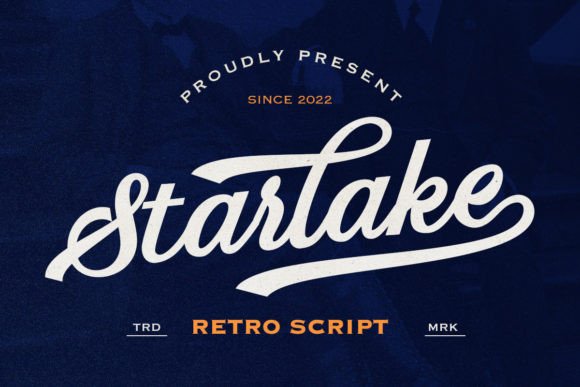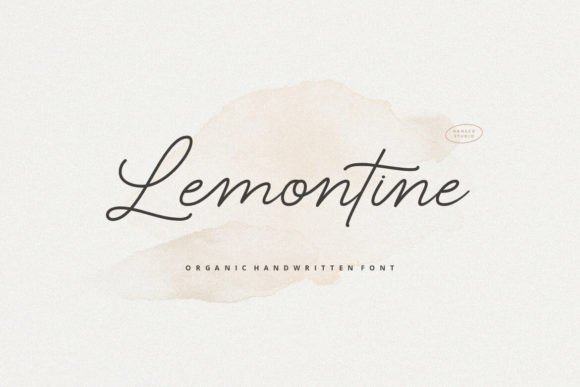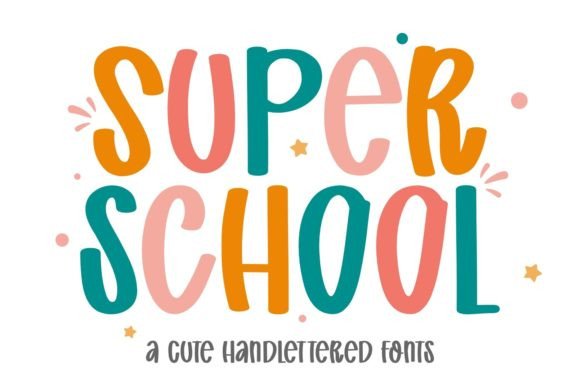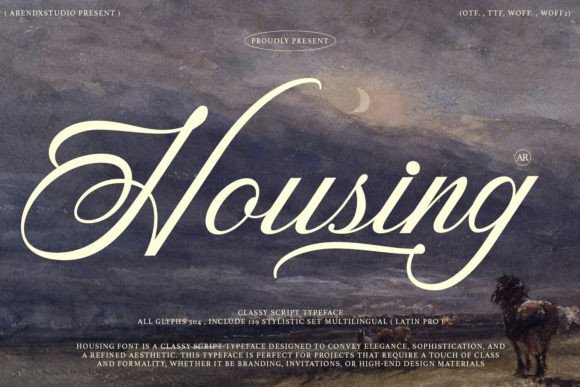
Old Retro Stamp: The Font with a Story
There's a particular feeling you get when you hold a well-worn book, or see a faded postcard from a bygone era. It’s a sense of authenticity, of something made with care and character. In our digital-first world, that tangible warmth can be hard to replicate. Yet, it’s exactly the kind of emotional connection that makes a brand or a design memorable. This is where a typeface like Old Retro Stamp enters the conversation—not as just another font, but as a tool for visual storytelling. It’s a handcrafted font that doesn't just sit on the page; it evokes a feeling, a memory, a simpler time.
More Than Just a Handwritten Style
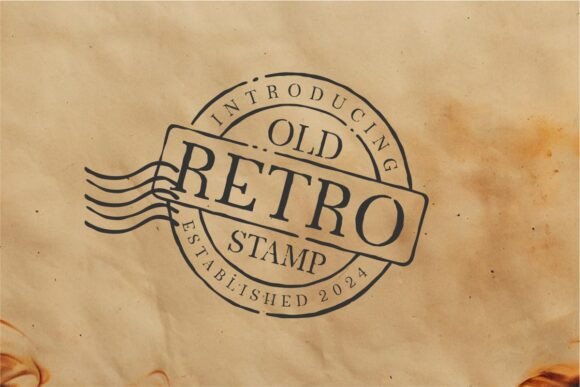
At first glance, you might categorize it as a handwritten font or a script font. While it shares their personal, human touch, its character is distinct. Imagine the imperfections of a vintage rubber stamp—the slightly uneven ink distribution, the gentle pressure variations, the charming irregularity of each impression. This display font captures that analog essence digitally. It’s not about perfect, sterile lines; it’s about embracing the subtle flaws that give text a soul. This makes it a premium font choice for projects where authenticity matters more than clinical precision.
The visual appeal lies in its ability to bridge nostalgia and modern design. It carries the weight of serif font traditions in its sturdy, legible letterforms but expresses it through a handwritten font lens. This duality is powerful. It feels familiar yet fresh, classic but not stuffy. For a designer, this means you can inject vintage charm into a project without sacrificing readability or contemporary relevance.
Practical Applications for the Modern Creative
The true test of any creative font is how it performs in the real world. Where does a typeface like this truly shine? Its personality makes it exceptionally versatile for a range of projects where you want to communicate warmth, heritage, or artisanal quality.
For branding and logo design, it’s a standout choice. Think of a craft brewery, a boutique coffee roaster, a local bakery, or an independent bookshop. Using Old Retro Stamp in a logo instantly tells a story of craftsmanship and tradition. It pairs beautifully with simpler sans serif font options for body text, creating a font pairing that is both dynamic and easy to read.
Its utility extends far beyond logos. Consider its impact on:
- Packaging Design: Make a product feel handmade and special on the shelf. It’s perfect for labels, tags, and boxes for gourmet foods, artisanal goods, or skincare products.
- Editorial Layouts & Magazines: Use it for pull quotes, section headers, or feature article titles to add a layer of tactile interest to a magazine or book layout.
- Print Materials & Marketing Assets: From business cards and letterheads to posters and flyers, it adds a memorable, personal touch that generic fonts lack.
- Digital Presence: It’s not just for print. This font can make social media graphics pop, give a blog a distinctive voice in its headings, and make a website header feel more engaging and less corporate.
- Specialty Projects: Wedding invitations, event signage, merchandise like tote bags and t-shirts, and digital products like printable art or planners all benefit from its retro-inspired flair.
Integrating Character into Your Workflow
Adopting a new typeface into your toolkit requires a bit of strategy. The goal is to enhance your message, not complicate it. Here’s how to think about using a font like this effectively.
First, consider readability considerations. As a display font, it’s crafted for impact at larger sizes—headlines, titles, logos, and short bursts of text. It’s generally not the best choice for long paragraphs of body copy, where a clean sans serif font or a classic serif font will be easier on the eyes. The key is to use it for moments of emphasis where its personality can shine without overwhelming the reader.
Next, think about visual consistency and brand recognition. If you choose Old Retro Stamp for your brand’s primary headline font, use it consistently across all your materials. This repetition builds a strong visual identity. Your audience will start to associate that specific, charming typeface with your brand’s unique story. It becomes a key asset in your brand identity toolkit.
Before committing, always test font pairings. Create a simple mock-up. How does it look next to your chosen body font? Does the contrast feel balanced? A sturdy, geometric sans serif often provides a perfect counterpoint to the organic, stamped feel of Old Retro Stamp, allowing both to perform their roles without competing.
A Smart Investment for Serious Creatives
When sourcing design assets, the difference between a free font and a commercial font often comes down to quality and peace of mind. A premium, handcrafted font like this typically includes more comprehensive character sets, multiple stylistic alternates, and proper kerning—details that save you time and ensure professional results.
Crucially, always review the commercial licensing considerations. A reputable font will come with a clear license that outlines its permitted uses, whether for client work, merchandise, digital products, or print. Understanding this upfront protects you and your clients, making it a legitimate part of your professional design assets.
In the end, choosing a font is about finding a voice. It’s a silent ambassador for your project’s tone and values. Old Retro Stamp offers a voice that is warm, authentic, and full of character. It’s a tool for designers, entrepreneurs, and creators who understand that the best communication often feels less like a broadcast and more like a conversation—a conversation with a touch of timeless, vintage charm.