Comic: The Vibrant Pop-Art Font for Playful, Retro Designs
There’s a certain kind of energy that jumps off the page, a visual shout that feels both nostalgic and fresh. It’s the feeling of a classic comic strip, the bold outlines of pop art, and the cheerful vibe of a 1960s advertisement all rolled into one. This is the world the Comic typeface inhabits. More than just letters, it’s a design tool built for fun, personality, and instant engagement. If you’re looking to inject a dose of retro charm and playful sophistication into your next project, understanding this font’s potential is your first step to creating something truly memorable.
A Typeface with a Vintage Pulse
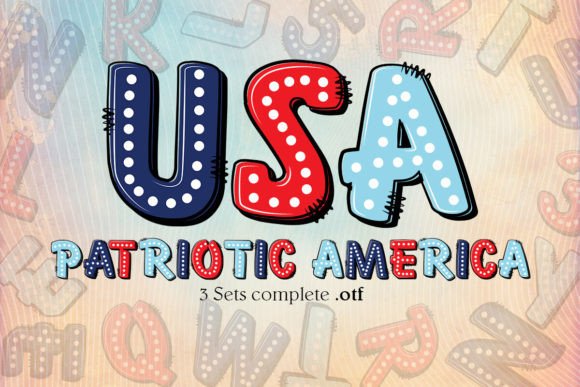
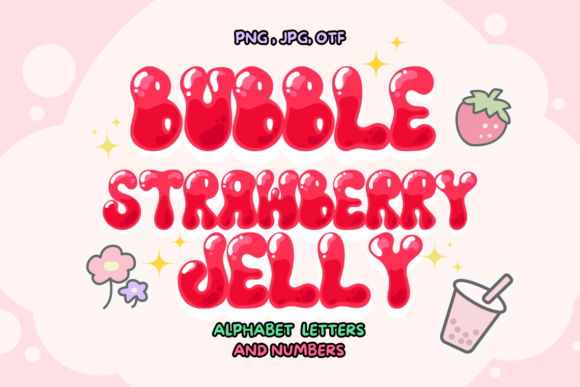
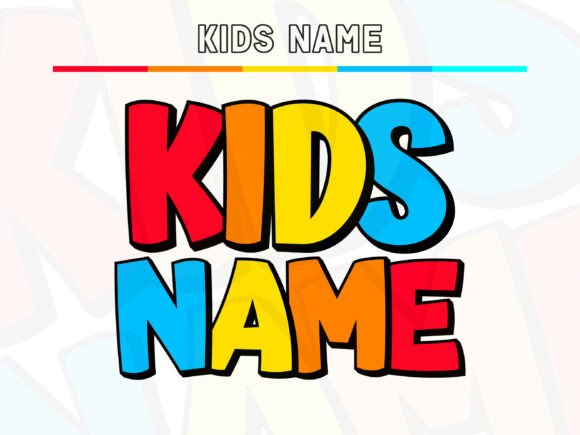
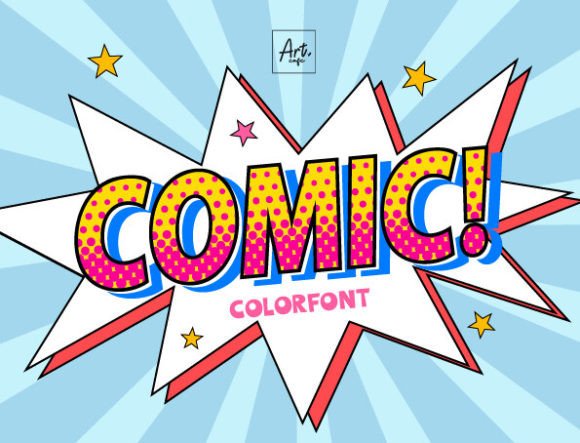
At its core, Comic is a display font, meaning it’s crafted for impact rather than long blocks of body text. Its visual appeal lies in its confident, slightly irregular strokes that mimic the hand-lettering of mid-century cartoons and advertising. The characters have a rhythmic bounce, with subtle variations that prevent them from feeling sterile or robotic. This isn't a minimalist sans-serif; it's a font with character, designed to evoke a specific mood. The thick-and-thin contrast within its letterforms gives it a dynamic quality, making headlines and logos pop with a three-dimensional sense of energy. It’s this inherent personality that makes it a standout creative font for projects that need to tell a story at a glance.
Practical Magic: Where Comic Truly Shines
The real value of any design asset is in its application. Comic isn’t a universal solution, but for the right projects, it’s a powerhouse. Its playful, approachable nature makes it a superb choice for branding and logo design aimed at children, families, or any business wanting to project a fun, approachable image. Think of a logo for a kids’ party planning service, a local ice cream parlor, or a creative workshop. The font does half the branding work for you, instantly communicating joy and creativity.
Beyond logos, its strength extends into packaging design. Imagine a box of artisanal cookies or a line of colorful stationery. Using Comic for the product name or tagline can make the packaging jump off the shelf, creating an immediate emotional connection with shoppers seeking something cheerful and distinctive. In the realm of social media graphics and web design, it’s perfect for creating eye-catching quotes, announcement banners, or call-to-action buttons that need to cut through the noise of a crowded feed. For event invitations, from birthday parties to community fairs, it sets the perfect tone before the guest even reads the details.
Making it Work: Pairing and Professional Polish
Using a strong display font like Comic effectively requires a bit of strategic thinking. The key to professional presentation and visual consistency is in the pairing. Because Comic has such a vibrant personality, it benefits from being balanced with a cleaner, more neutral companion. A classic serif font like Georgia or a simple sans-serif like Open Sans for body text can provide a calm, readable foundation that lets the headlines set with Comic truly stand out. This contrast creates a clear visual hierarchy, guiding the reader’s eye exactly where you want it to go.
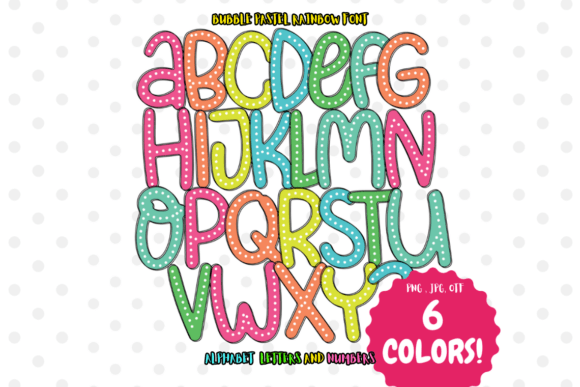
Readability is always a consideration. While perfect for short headlines, logos, and pull quotes, avoid setting paragraphs of body copy in Comic. Its decorative nature can make sustained reading difficult. Always test your font pairings in context. Mock up a social media post, a product label, or a website header to see how the fonts interact in terms of size, spacing, and color. Most premium font packages, including those similar to Comic, often come with multiple styles—like bold or italic variations. Reviewing these included styles gives you more flexibility to create emphasis and variety within your design system.
Beyond the Screen: Print and Merchandise
The charm of this typeface isn’t confined to digital screens. It translates beautifully into print materials, adding a tactile, vintage essence to posters, flyers, and brochures. For businesses in the entertainment or education sectors, a poster for a summer camp or a community theater production using Comic can feel instantly inviting and energetic. The font’s retro flair also makes it a fantastic asset for merchandise. T-shirts, tote bags, mugs, and stickers emblazoned with a witty phrase set in Comic tap into the popular market for nostalgic, graphic-driven products. It’s a font that doesn’t just communicate words; it communicates a feeling, making it ideal for any physical item meant to bring a smile.
Choosing Your Creative Partner
Selecting a typeface is a creative decision that aligns with your project’s goals and your audience’s expectations. Comic is a deliberate choice for brands and creators who want to step away from the overly corporate and embrace a more human, joyful aesthetic. It’s particularly effective for targeting audiences that appreciate nostalgia—adults who grew up with classic cartoons, or a younger generation drawn to retro styles. When considering a commercial font, always verify the licensing to ensure it covers your intended use, whether for client work, merchandise, or digital products. Ultimately, Comic is more than a set of glyphs; it’s a versatile design asset that, when used thoughtfully, can transform a simple message into a vibrant, engaging, and unforgettable visual experience.