Bubble Strawberry Jelly: A Font That Tastes Like Fun
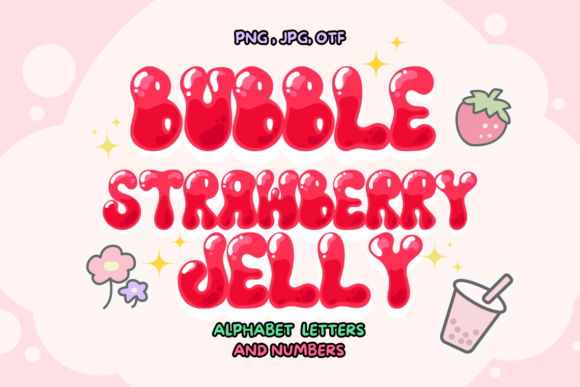
There's a moment in every creative project where you need something more than just clean lines and safe choices. You need personality. You need a spark that makes someone stop scrolling, pause, and actually feel something. That's exactly what the Bubble Strawberry Jelly Color Font brings to the table—a typeface that doesn't just communicate words but radiates pure, unfiltered joy. This isn't your typical corporate typeface or minimalist sans serif. It's a handwritten, bubble-style font drenched in vibrant strawberry jelly hues, and it's designed for projects that refuse to blend into the background.
What Makes This Typeface So Visually Striking
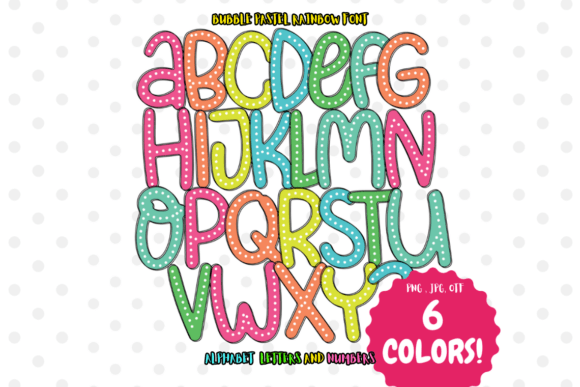
At its core, Bubble Strawberry Jelly is a display font with a distinctly playful character. Each letterform mimics the look of inflated, rounded bubbles—think of the glossy, three-dimensional quality you'd see on a child's birthday party decoration, but refined enough for professional design work. The color element is what truly sets it apart. Built as an OpenType-SVG font, the letters carry an embedded strawberry jelly gradient directly within the glyph itself. You're not just typing in a flat pink; you're getting a rich, textured color effect that looks almost edible.
This kind of modern typography bridges the gap between traditional typeface design and illustration. The result is a font that feels handcrafted, warm, and immediately approachable. For anyone working in branding, packaging design, or social media graphics, this type of visual warmth can be the difference between a project that feels generic and one that genuinely connects with an audience.
Where This Font Truly Shines
Not every font works for every project, and that's actually a good thing. Bubble Strawberry Jelly occupies a very specific creative niche, and understanding where it fits best will help you get the most out of it.
Food and Beverage Packaging: If you're designing labels for artisan jams, candy shops, bakery branding, or children's snacks, this font practically does half the work for you. The visual connection to sweetness and fun is immediate and intuitive. Pair it with clean sans serif fonts for nutritional information or ingredient lists, and you've got a packaging design that's both playful and functional.
Children's Products and Education: From activity books to classroom posters to kids' party invitations, the bubbly letterforms and cheerful color palette speak directly to a younger audience—and to parents who want products that feel joyful rather than sterile.
Social Media and Digital Marketing: Instagram stories, TikTok overlays, YouTube thumbnails, and Pinterest pins all thrive on bold, eye-catching typography. A creative font like this one can stop the scroll in ways that standard serif font or sans serif choices simply can't. Use it sparingly for headlines or call-to-action text to maximize its impact without overwhelming your design.
Event Invitations and Greeting Cards: Birthday parties, baby showers, summer events, and seasonal promotions all benefit from a typeface that feels celebratory. The handwritten quality adds a personal touch that formal fonts can't replicate.
Merchandise and Stickers: For small business owners selling on platforms like Etsy or Shopify, a distinctive font can become part of your visual brand identity. Think tote bags, enamel pins, sticker sheets, and apparel—products where personality is the selling point.
Pairing and Practicality: Making It Work in Real Projects
Here's where the practical advice matters. A font like Bubble Strawberry Jelly is a display font, which means it's built for headlines, titles, and short bursts of text—not for body copy. Trying to read a full paragraph in a bubbly, color-embedded typeface would be exhausting for your audience, no matter how beautiful it looks.
Instead, think of it as the star of the show, supported by a reliable cast. Pair it with a clean, readable sans serif font like Montserrat, Open Sans, or Lato for longer text passages. If your project calls for something more editorial, a classic serif font like Georgia or Playfair Display can create an interesting contrast—playful meets polished. The key is to test your font pairings in context. Drop your headline into a mockup, step back, and ask whether the overall composition feels balanced or chaotic.
Readability is always worth considering, even with decorative typefaces. Because Bubble Strawberry Jelly uses rounded, inflated letterforms, certain characters may look similar at smaller sizes. Reserve it for applications where the text is large enough for every letter to be clearly distinguishable. If you're working on a logo design, test it at multiple sizes—from a favicon to a billboard—to make sure it holds up.
Technical Compatibility and What to Know Before You Start
This is an important detail that can save you frustration down the line. Bubble Strawberry Jelly is an OpenType-SVG color font, which means the color and texture are embedded directly into the font file. This technology is supported by professional design software like Adobe Photoshop and Adobe Illustrator, where the font will render exactly as intended—vibrant, colorful, and textured.
However, it's not compatible with every tool. If you're using Cricut, Silhouette, or Inkscape, the OTF and TTF files won't display the color effects as designed. This is a limitation of those platforms rather than the font itself, but it's worth knowing upfront if crafting or cutting machines are part of your workflow. For a deeper understanding of how to install and use color fonts effectively, checking a comprehensive font guide is a smart move before you begin your project.
Licensing and Commercial Use
For small business owners and entrepreneurs, licensing is a detail that matters. Before using any premium font in commercial projects—whether that's a client logo, a product label, or a line of merchandise—make sure you understand the terms of the license you're purchasing. Most font licenses distinguish between personal and commercial use, and some may have restrictions on how the font can be embedded in digital products or distributed. Taking five minutes to review the licensing agreement can prevent headaches later, especially if your project scales or gets featured somewhere unexpected.
Building a Brand Identity Around Personality
Typography is one of the most powerful tools in brand identity, and it's often underestimated. The fonts you choose signal who you are before a single word is read. A brand that uses Bubble Strawberry Jelly in its marketing assets communicates playfulness, creativity, and approachability. It tells your audience that you don't take yourself too seriously—but you do take your craft seriously enough to choose a typeface that actually reflects your personality.
That said, a single font doesn't make a brand. It's one ingredient in a larger visual system that includes your color palette, imagery style, and overall tone of voice. Use this font strategically—as part of your design assets toolkit rather than the only tool—and you'll create a visual identity that feels cohesive, memorable, and genuinely fun to engage with.
Whether you're a designer building out a client's brand, a content creator looking for that perfect headline font, or a hobbyist working on a passion project, Bubble Strawberry Jelly offers something that's increasingly rare in modern typography: pure, uncomplicated delight. And sometimes, that's exactly what a project needs.