Retro Soccer: The Bold Slab Serif for Energetic Branding
There's a particular kind of energy you see in vintage sports branding—the bold, condensed typefaces on old team jerseys, the stark lettering on retro athletic gear, the unmistakable vibe that communicates strength and heritage without a single word. Capturing that feeling for a modern project can be tricky. You want the nostalgia, but you also need a clean, contemporary edge that works across today's digital and print landscapes. This is the sweet spot where a typeface like Retro Soccer operates, offering a bridge between classic athletic aesthetics and modern design needs.
Understanding Its Visual Character
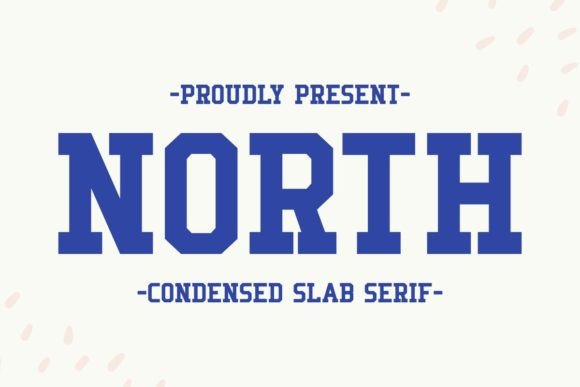
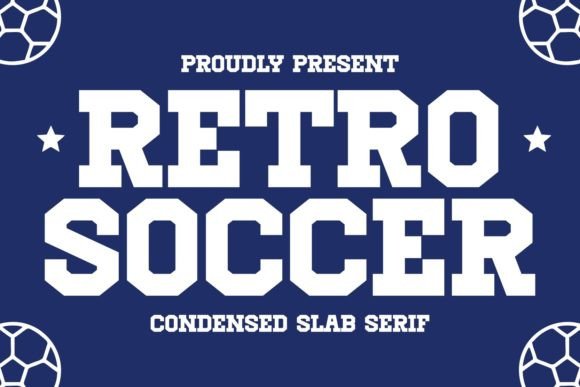
Retro Soccer is a condensed slab serif, a classification that immediately tells you a lot about its personality. Slab serifs are known for their sturdy, block-like terminals, which give them a grounded, trustworthy appearance. The condensed width means it packs a punch without eating up horizontal space, making it ideal for situations where impact is needed in a tight area—think headline banners, product tags, or social media profile graphics. Its modern vintage touch comes from refining those classic proportions with cleaner lines and more balanced spacing, making it feel fresh rather than merely old-fashioned.
The font carries a bold, energetic vibe, which makes it a natural fit for projects centered around action, sports, competition, or dynamic youth culture. Yet, its versatility extends beyond the literal. This typeface can inject a sense of confident urgency into a food brand's packaging, add a touch of heritage to a craft brewery's logo, or give a blog header a standout presence that encourages scrolling to stop. It’s a display font at heart, designed for headlines and short, impactful text blocks where its personality can shine without compromising readability.
Practical Applications Across Design Projects
Where does a font like this truly excel? The applications are surprisingly broad, especially for creators and business owners working across multiple mediums.
For branding and logo design, Retro Soccer can form the core of a visual identity that needs to feel established and energetic from day one. A condensed slab serif is excellent for wordmark logos, as it allows the business name to be legible even when scaled down. It pairs well with a wide range of secondary fonts—a clean sans serif for body text or a fluid script for accent words—creating a versatile type system for a brand.
In packaging and merchandise, its value is immediately clear. Imagine this font on a t-shirt graphic, a coffee bag label, or the front of a tote bag. It has the presence to stand alone or work harmoniously within a larger illustration. The bold weight ensures it reproduces clearly on various materials, from woven labels to printed ceramics, maintaining its impact whether on a mug or a pillow.
Digital creators will find it powerful for social media graphics and website headers. A strong display font is crucial for stopping the scroll. Using Retro Soccer for a YouTube thumbnail, an Instagram story announcement, or a website hero section can instantly communicate the tone of the content—whether it's a fitness challenge, a product launch, or a promotional sale. It helps in creating visual consistency across platforms, which is fundamental for brand recognition.
For print and editorial work, think beyond the obvious. This typeface can bring a dynamic feel to event posters, magazine feature headers, or even the chapter titles in a self-published book. In marketing assets like email headers or digital ads, it can increase click-through rates by making the call-to-action or headline more visually compelling and easier to read at a glance.
Making It Work: Pairing and Readability
Introducing a strong display font into your project requires thoughtful execution to maintain a professional presentation. The key is balance. Retro Soccer, with its bold condensed form, is not designed for long paragraphs of body copy. Its strength is in headlines, subheads, and pull quotes. For the supporting text, you'll want to choose a highly readable companion.
A classic, neutral sans serif font often makes an excellent partner. The clean, geometric lines of a font like Montserrat or Lato provide a modern counterpoint and ensure that body text remains easy on the eyes. For a different feel, pairing it with a handwritten font or script font for accents can create a nice contrast between the structured and the organic, useful for invitations or boutique branding. The goal of font pairing is to create hierarchy and harmony, not competition.
Always test your pairings in context. View the combination at the actual size it will be used—on a mobile phone screen for a website, or from a distance for a poster. Check the spacing between the display headline and the body text. Sometimes, a slight adjustment in letter-spacing on the Retro Soccer headline can improve its integration with the following paragraph. Remember, readability considerations are paramount; a beautiful font is useless if your audience struggles to decipher the message.
Licensing and Final Considerations
Before finalizing any commercial font for a project, especially one intended for merchandise or widespread distribution, reviewing the licensing terms is a non-negotiable step. A premium font like Retro Soccer will typically come with a license that specifies allowable uses—whether it's for a single end product, a series of digital goods, or unlimited physical merchandise. Understanding these terms protects you legally and ensures your investment is sound.
Take the time to explore the full character set and any included styles within the font family. Many professional typefaces include multiple weights, stylistic alternates, or additional glyphs that can expand your creative options. Experiment with these features in your design software. Sometimes, a simple swash or an alternate numeral can add that perfect custom touch to a logo or headline.
Ultimately, choosing a typeface is a strategic decision that affects how your audience perceives your message. Retro Soccer offers a specific tool: a way to communicate energy, heritage, and modern confidence through typography. By applying it thoughtfully to the right projects—where its bold condensed form can command attention without overwhelming the design—you can create visuals that are not only eye-catching but also effectively serve your broader goals of engagement and brand building. It’s about matching the font’s inherent personality with your project’s unique voice.
Looking for that perfect blend of classic athletic charm and modern punch for your designs? There's a typeface that captures the bold, condensed energy of vintage sports branding while staying crisp and usable for today's projects. Let's explore what makes this style a standout choice and how you can put it to work.
A Typeface with Athletic Heritage and Modern Edge
Retro Soccer is a condensed slab serif font that channels the spirit of vintage athletic typography. Its bold, blocky terminals and tight spacing give it a sturdy, confident presence that feels both nostalgic and fresh. This isn't a distressed or overly ornate vintage revival—it's a clean, modern interpretation that maintains readability while delivering serious visual impact.
The condensed width is particularly useful. It allows you to fit more text into tight spaces without sacrificing boldness, making it ideal for situations where you need maximum presence in minimal area. Think product tags, social media banners, or headline layouts where every pixel counts. The modern vintage touch comes from refined proportions and balanced letterforms that avoid looking dated, ensuring your designs feel contemporary even as they nod to classic sports aesthetics.
While its name suggests athletic applications, this typeface transcends literal sports themes. Its energetic vibe and bold condensed form make it versatile for any project that needs to communicate strength, heritage, or dynamic energy. It's a display font at its core, designed for headlines and short text blocks where its personality can command attention without overwhelming the viewer.
From Brand Identity to Everyday Marketing
The practical applications for a font like this extend far beyond obvious sports-related projects. Its strong visual character makes it a valuable asset across numerous creative and commercial endeavors.
For branding and logo design, it can form the backbone of an identity that needs to feel established and energetic. A condensed slab serif works exceptionally well for wordmark logos because it remains legible even when scaled down significantly. It pairs beautifully with a range of secondary typefaces—a clean sans serif font for body text creates modern contrast, while a script font can add an elegant accent for boutique brands.
In packaging design, its bold presence ensures your product stands out on crowded shelves. Imagine this font on coffee bag labels, craft beer packaging, or artisanal food products. It reproduces clearly across different materials and printing methods, maintaining its impact whether screen-printed on a t-shirt or embossed on a premium box.
Digital creators will find it particularly powerful for social media graphics and website headers. In the endless scroll of feeds, a strong display font can be the difference between being noticed and being overlooked. Use it for YouTube thumbnails, Instagram story announcements, or Facebook ad headlines to instantly communicate your message's tone and importance.
For print materials and merchandise, the applications are nearly limitless. Event posters, tote bags, mugs, pillows, and apparel all benefit from its bold condensed form. It's equally effective for editorial layouts in magazines or blogs where feature headers need to draw readers into the content.
Strategic Typography for Better Results
Choosing the right font involves more than just picking something that looks appealing. It's about aligning typography with your project's goals and audience expectations. A typeface like Retro Soccer excels when you need to make a bold statement quickly—perfect for marketing assets where first impressions matter.
Consider how this font can improve your visual consistency. When used as part of a defined type system, it helps create a recognizable brand voice across all touchpoints. Consistent use of distinctive typography builds brand recognition over time, making your materials instantly identifiable even at a glance.
Readability remains paramount, even with display fonts. While Retro Soccer is designed for impact, always test it at the actual size and in the context where it will appear. A font that looks stunning in a design file might need spacing adjustments when applied to a physical product or viewed on different screen sizes. Pair it wisely—use it for headlines and short calls-to-action, then pair with highly readable body fonts for longer text passages.
The professional presentation of your materials directly affects audience perception. Thoughtful typography signals attention to detail and quality, whether you're designing digital products, marketing collateral, or physical merchandise. A well-chosen display font like this can elevate amateur designs into polished, professional work.
Practical Tips for Implementation
Before committing to any font for a project, consider these practical steps to ensure success:
First, review all included font styles and weights. Many professional typefaces offer multiple variations—bold, regular, condensed, extended—that can expand your design options. Test different weights to see which works best for your specific application, whether it's a website header or a product label.
Experiment with font pairing early in your design process. Try pairing Retro Soccer with various sans serif, script, or handwritten fonts to see what combinations feel harmonious. Sometimes the most unexpected pairings create the most dynamic results. Pay attention to contrast in weight, width, and style—the best pairings complement rather than compete.
Always consider the viewing context. Will your design be primarily seen on mobile devices or printed materials? How far away will the viewer be? These factors influence everything from font size to spacing. What looks perfect on your computer screen might need adjustment for a storefront sign or a social media thumbnail.
Finally, understand the licensing terms before using any font commercially. Premium fonts typically come with licenses that specify allowable uses—whether for a single project, unlimited merchandise, or digital products. Ensuring compliance protects you legally and supports the designers who create these valuable design assets.
Typography is one of the most powerful tools in visual communication. The right typeface doesn't just display words—it conveys emotion, establishes tone, and creates connection. By thoughtfully applying a font with character and versatility, you transform ordinary designs into memorable experiences that resonate with your audience and support your broader creative or business objectives.