Give Your Brand a Gritty Edge with Bold Rust Typography
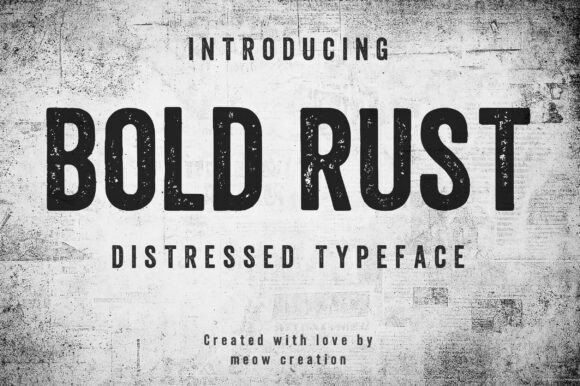
There is a specific kind of visual confidence that comes from text looking like it has survived something. It suggests durability, history, and a refusal to be ignored. If your current designs feel too clean, too digital, or lacking in character, the solution might be a typeface that wears its texture on its sleeve. Enter a typeface designed to mimic the look of oxidized metal and hand-stamped signage. It is a strong and textured display font with a rugged, vintage feel. Featuring bold characters with a distressed finish, it is perfect for giving your designs a weathered, industrial look. It brings a touch of authentic grit and boldness to any creative work, bridging the gap between modern utility and retro aesthetics.
Understanding the Texture: Why Distressed Typography Matters
In a sea of smooth, vector-perfect sans serifs, a textured display font acts as an anchor. This particular typeface is not just about the letter shapes; it is about the surface of the letters. The "rust" effect implies a handmade quality, even if you are typing on a sleek laptop. It mimics the imperfections of screen printing or old woodblock cuts. This visual style communicates authenticity to the viewer. When a customer sees this text on a logo or a t-shirt, they subconsciously associate the brand with craftsmanship and durability.
However, it is crucial to distinguish this from a standard serif font. While a serif font uses small lines at the ends of characters to guide the eye, this style uses heavy weight and texture to stop the eye. It is a display font, meaning it is built for impact. It works best when used sparingly—think headlines, logos, and hero images—rather than long paragraphs of body copy. The rugged aesthetic taps into the "industrial" trend in design, appealing to audiences who value substance over gloss.
Real-World Applications for a Rugged Typeface
Finding the right home for a heavy, textured font is essential for maintaining readability while maximizing style. Because this typeface carries such a distinct personality, it shines in specific scenarios where you want to establish a mood immediately.
Branding and Logo Design
For small business owners, your logo is your handshake. If you run a craft brewery, a barbershop, a construction firm, or an outdoor adventure company, a generic font can make you look temporary. This typeface provides the weight needed for a strong logo mark. It suggests that your business is established and reliable. When used in a logo, it pairs exceptionally well with clean sans serif fonts for the tagline to ensure the business name remains legible while still feeling unique.
Merchandise and Apparel
Graphic designers working on merchandise know that texture sells. A flat, black text on a grey t-shirt can look dull. However, using a distressed, vintage-style font instantly gives the garment a "lived-in" feel. It mimics the look of a high-quality vintage band tee or workwear. This makes it an ideal asset for print-on-demand businesses or creators selling on platforms like Etsy. It adds value to the product by making it look like a curated piece of art rather than just clothing.
Digital Presence and Social Media
On social media platforms like Instagram or Pinterest, stopping the scroll is the primary goal. The bold, textured nature of this font creates high contrast against photography or solid backgrounds. It is excellent for quote graphics, sale announcements, or YouTube thumbnails. Because it has a "handcrafted vibe," it helps digital-first brands feel more human and less corporate, which is a key factor in building community engagement online.
Integrating Bold Rust into Your Design Assets
Adopting a new typeface into your workflow requires more than just installation; it requires a strategy for consistency. To get the most out of this premium font, consider how it interacts with your other design assets.
Testing Font Pairings
The golden rule of typography is contrast. Since this font is heavy, textured, and commands attention, it needs a "quiet" partner. Do not pair it with another decorative or script font, or the result will be visual chaos. Instead, look to modern typography standards for balance. A clean geometric sans serif font works beautifully for body text or subtitles. This allows the display font to do the heavy lifting for the headline while the secondary font ensures the message is easy to read. For example, imagine a poster where the event name is in the rugged display font, but the date, time, and location are in a simple, modern sans serif.
Readability Considerations
While the style is captivating, function must always follow form. This typeface is a creative font best suited for short bursts of text. If you try to write an entire blog post or a long product description using a heavy, distressed display font, you will fatigue your reader’s eyes. The texture that looks so cool at 60pt size can become muddy noise at 12pt size. Use it for headers, sub-headers, and call-to-action buttons. For the heavy lifting of information delivery, stick to a highly legible serif or sans serif font.
Commercial Licensing and Professional Presentation
For designers and entrepreneurs, the technical side of assets is just as important as the visual side. When selecting a commercial font, always review the licensing terms. Most premium fonts come with specific stipulations regarding how many users can install the file or how it can be used in digital products for sale. Ensuring you have the correct license protects your client and your business from legal issues down the line.
Furthermore, check to see what styles are included in the font family. Does it come with a regular weight only, or are there italic or condensed variations? Having access to a family of styles gives you flexibility in your editorial design. You might use the "Bold Rust" style for the main headline and a hypothetical "Light Rust" version for a subtitle to create a hierarchy of information without losing the brand identity.
Adding Personality to Packaging and Print Materials
Packaging design is one of the most effective places to use a textured typeface. In a retail environment, a product has about three seconds to catch a shopper's eye. A package featuring a rugged, vintage font stands out against competitors using standard Arial or Times New Roman. It suggests the contents are artisanal or high-quality. Whether you are designing labels for hot sauce, coffee bags, or beard oil, this style of typography aligns perfectly with products that have a story to tell.
Print materials such as flyers, posters, and invitations also benefit from this aesthetic. If you are creating an invitation for a rustic wedding, a milestone birthday with a "vintage" theme, or a music festival, the font sets the tone before the guest reads a single word of the details. It creates an immediate emotional connection, signaling that the event will be stylish and well-curated.
Final Thoughts on Strength and Style
Typography is the voice of your visual design. Choosing a typeface like this one is a decision to speak with a voice that is loud, confident, and grounded in history. It is a versatile tool in the toolkit of any designer, content creator, or business owner looking to break away from the sterile look of standard digital text. By using this distressed, bold style strategically—balancing it with clean partners and respecting its limitations—you can create designs that not only look professional but also resonate with a deeper sense of authenticity. It allows you to add personality and a handcrafted vibe to your next project, proving that strength and vintage style can coexist beautifully in the modern world.