Classic Distress: A Bold Vintage Font for Modern Creatives
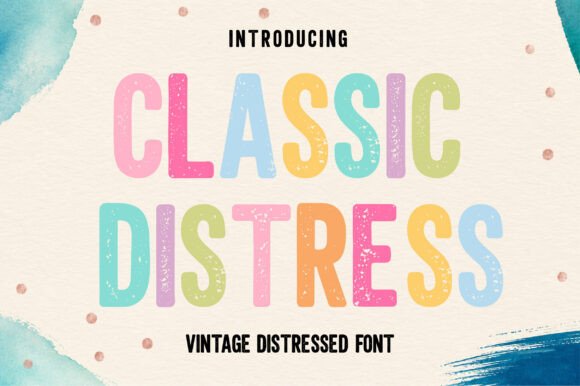
There's something undeniably magnetic about typography that feels like it has a story to tell. You know the kind—letters that look like they've been pulled from an old circus poster or a weathered shop sign, full of character and authenticity. That's the space where Classic Distress lives. It's a bold, vintage-inspired display font that doesn't just sit on the page; it makes an entrance. With its tall, chunky letterforms and playful distressed texture, it brings that coveted retro charm and handcrafted feel that so many modern designs are searching for.
But what exactly does a font like this offer beyond its immediate visual punch? For designers, entrepreneurs, and creators, it's more than just a pretty typeface. It's a tool for storytelling, a way to inject personality into a brand, and a shortcut to a specific emotional response from your audience. Let's dig into how a typeface with this kind of worn print effect can become a practical asset in your creative toolkit.
More Than Just a Pretty Face: The Practical Power of Distressed Typography
The appeal of a distressed font isn't just nostalgia. It's about perceived authenticity and tactile quality in a digital world. When used thoughtfully, the worn texture of Classic Distress can communicate several things at once: craftsmanship, durability, and a break from sterile perfection. This makes it incredibly versatile. It's not a serif font for body copy or a clean sans serif for minimalist logos. It's a display typeface, meaning it's designed for impact in headlines, logos, and key visual elements where you need to grab attention and set a tone instantly.
Think about the brands and designs that resonate with you. Often, the ones that feel the most genuine use typography that reflects their personality. A local coffee roaster with a hand-stamped feel on their bags, a boutique clothing label with vintage-inspired tags, or a music festival poster that looks like it was printed on an old letterpress—these all leverage the kind of character that Classic Distress provides. It bridges the gap between modern design needs and a timeless, artisanal aesthetic.
Where This Font Truly Shines: Real-World Applications
Knowing a font looks cool is one thing. Knowing where to actually use it is what delivers value. The tall, bold structure of this distressed typeface makes it perfect for situations where legibility at a distance or in a crowded visual field is key, but you don't want to sacrifice style for clarity.
- Branding & Logo Design: For businesses in the food and beverage, outdoor adventure, craft, or entertainment industries, this font can form the cornerstone of a memorable logo. It instantly tells a story of quality and experience. Pair it with a simple sans serif or a elegant script font for a balanced and professional brand identity.
- Packaging & Merchandise: Product labels, box designs, tote bags, and t-shirt graphics come alive with this kind of typography. The distressed texture adds a perceived value and a unique, collectible quality to physical goods.
- Posters & Editorial Layouts: Event posters, magazine headers, and book covers benefit from the high-energy, retro vibe. It commands attention on a page or a screen, making it ideal for any creative project that needs to stand out.
- Digital & Social Media: In the fast-scroll world of Instagram or Pinterest, a distinctive font in your graphics or thumbnails can stop thumbs. Use it for quote graphics, sale announcements, or video titles to add instant personality to your social media presence.
- Invitations & Digital Products: Wedding invitations with a rustic theme, birthday party invites, or digital planners and worksheets can use this font to create a specific, charming atmosphere that generic fonts simply can't achieve.
Pairing and Practicality: Making It Work for Your Project
A powerful display font like Classic Distress is a star player, but it needs a supporting cast. The key to using it effectively is in the pairing. Because it's so textured and bold, it pairs best with cleaner, simpler fonts. A good rule of thumb is to combine it with a neutral sans serif for body text or a flowing script font for a touch of elegance. This contrast ensures your main message is delivered with impact while remaining easy to read.
Readability is always a consideration. This typeface is best suited for short, impactful text: headlines, subheadings, logos, and single-line calls to action. Avoid setting entire paragraphs in a distressed display font, as the texture can become visually fatiguing over longer passages. Test it at the size you intend to use it—what looks great as a large poster headline might lose detail when scaled down for a small website button.
Before committing to any premium font for a major project, always check the licensing. Ensure the commercial license covers your intended use, whether it's for a client's logo, merchandise for sale, or a digital product you plan to distribute. Most reputable font foundries make this clear, giving you peace of mind to use your new design asset confidently.
Injecting Authenticity into Your Visual Story
Ultimately, choosing a typeface like Classic Distress is a strategic decision about the story you want to tell. It's for the designer who wants to move beyond generic templates. It's for the small business owner who wants their brand to feel established and full of personality from day one. It's for the content creator looking for that extra layer of visual interest that makes their work feel curated and intentional.
In a landscape saturated with clean, minimalist fonts, the bold, worn character of a distressed typeface offers a powerful alternative. It doesn't just communicate words; it communicates feeling, history, and authenticity. By understanding its strengths and applying it with purpose, you can transform standard projects into memorable visual experiences that truly connect with your audience. So, the next time your design calls for a dose of retro charm and handcrafted character, consider letting a font with a little history lead the way.